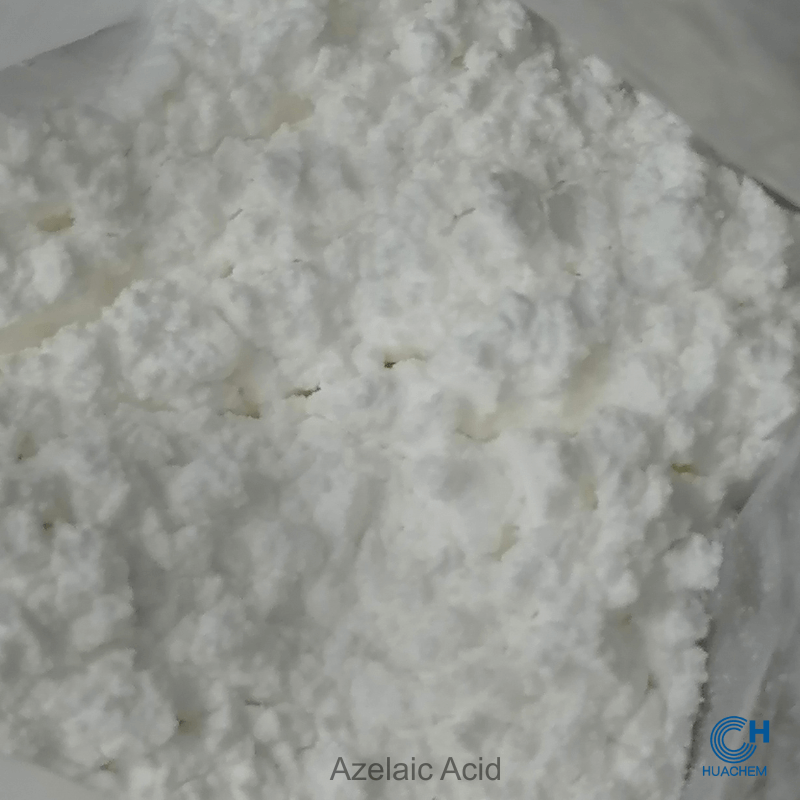
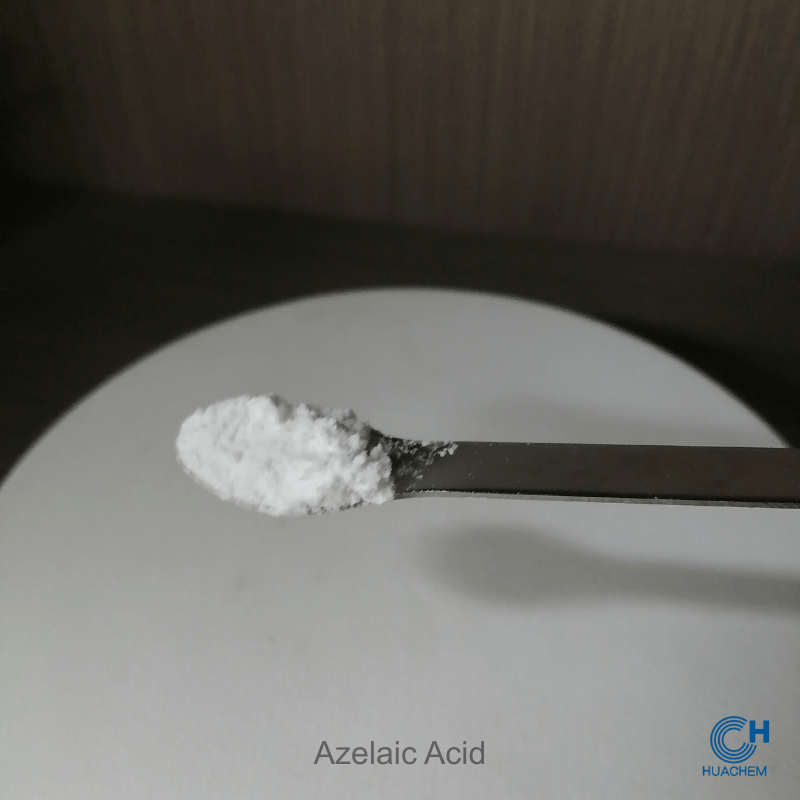
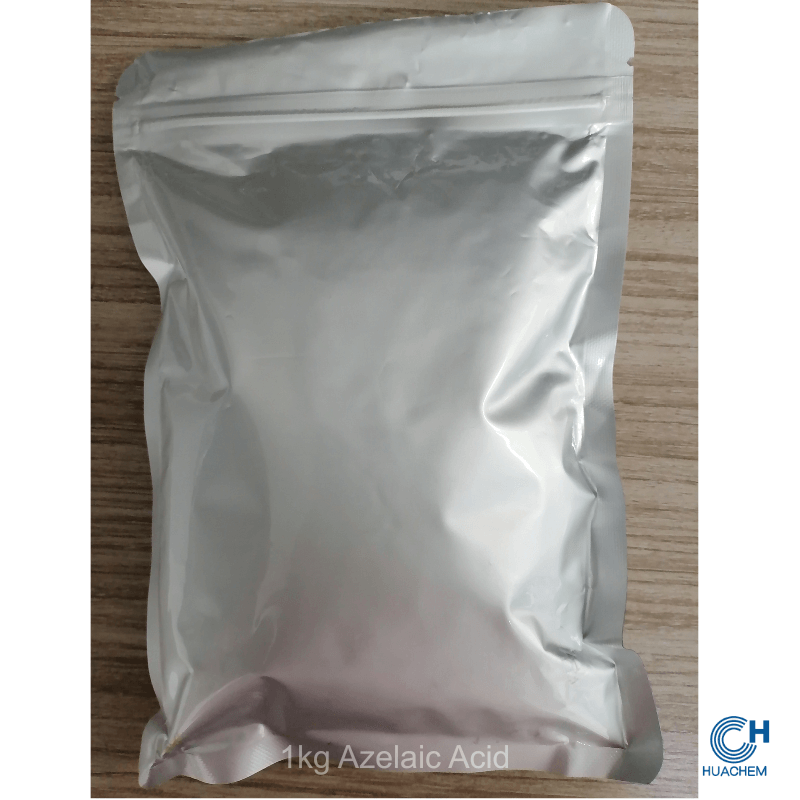
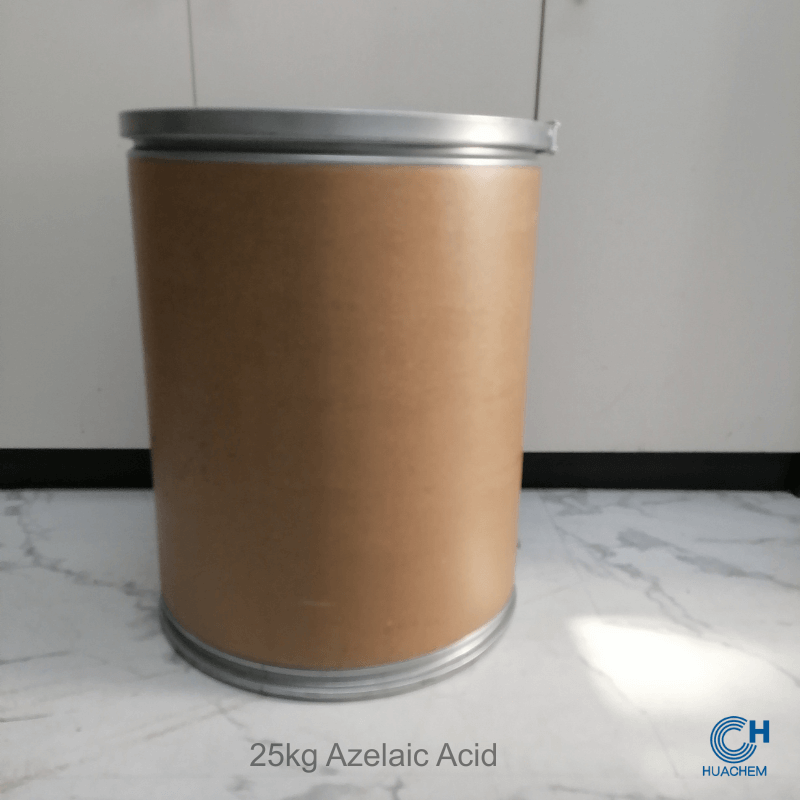
Azelaic Acid is a naturally occurring dicarboxylic acid, renowned in dermatology and cosmetic science for its exceptional multi-functional profile. Originally recognized for its depigmenting effects observed in pityriasis versicolor, it has evolved into a cornerstone active for treating acne, rosacea, hyperpigmentation, and skin sensitivity. Its unique mechanism allows it to selectively target hyperactive or abnormal cells (like overproductive melanocytes or inflamed follicles) while sparing normal ones, offering a balanced approach of high efficacy and favorable tolerance—a rare combination in potent actives.
Why Choose Azelaic Acid?
For formulators and brands facing the challenge of addressing multiple skin concerns with a single, clean-label ingredient, Azelaic Acid presents a compelling, science-backed solution. Unlike single-target ingredients, it simultaneously tackles the root causes of acne (bacteria, sebum, keratinization), visibly reduces post-inflammatory hyperpigmentation (PIH) and melasma, and soothes conditions like rosacea. Supported by decades of clinical use and FDA approvals for acne and rosacea, it provides a powerful narrative of dermatological legitimacy. Its pregnancy-safe status further expands marketable audience segments, making it an indispensable asset for creating effective, multifunctional skincare for demanding consumers.
Key Benefits
-
Potent Anti-Acne & Sebum Regulation: Demonstrates broad-spectrum antimicrobial activity against C. acnes and S. epidermidis without inducing bacterial resistance. Competitively inhibits 5α-reductase to reduce dihydrotestosterone (DHT)-induced sebum production.
-
Effective Brightening & Anti-Pigmentation: Functions as a competitive tyrosinase inhibitor, effectively reducing melanin synthesis. It selectively targets abnormally active melanocytes, making it ideal for treating PIH (post-acne marks), melasma, and sunspots without causing widespread hypopigmentation.
-
Anti-Inflammatory & Rosacea Relief: Soothes skin by inhibiting the production of reactive oxygen species (ROS) and inflammatory cytokines. It is a first-line topical treatment for papulopustular rosacea, reducing redness and inflammatory lesions.
-
Normalizes Keratinization: Gently prevents follicular hyperkeratosis, helping to unclog pores and smooth skin texture, beneficial for both acne and conditions like keratosis pilaris.
-
High Safety & Tolerance Profile: Well-tolerated by most skin types, including sensitive skin. Recognized as a pregnancy-safe alternative to ingredients like retinoids, broadening product applicability.
Typical Applications
Azelaic Acid is versatile for a range of targeted treatment and daily care products:
-
Acne Treatment Gels, Serums, and Spot Treatments
-
Rosacea-Prone Skin Soothing Creams and Serums
-
Brightening Serums and Creams for PIH, Melasma, and Uneven Tone
-
Clarifying Toners and Cleansers for Oily and Blemish-Prone Skin
-
Gentle Exfoliating and Skin-Smoothing Formulations
Recommended Usage Level
-
General Brightening & Soothing: 5% – 10%
-
Effective Anti-Acne & Pigmentation Treatment: 10% – 20%
-
Note: Formulations above 15% are often considered pharmaceutical-grade in many markets. Efficacy is concentration-dependent. To overcome its low natural solubility, formulated dispersions (e.g., ultra-fine particle suspensions, encapsulation) are recommended for higher concentrations to ensure stability, elegance, and bioavailability.
Technical Information
-
INCI Name: Azelaic Acid
-
CAS Number: 123-99-9
-
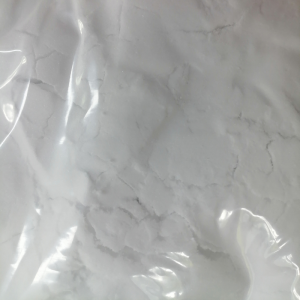
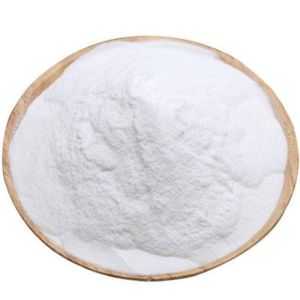
Appearance: White to off-white crystalline powder
-
Solubility: Poor solubility in both water and oil at room temperature (approx. 0.24% in water). Requires specific formulation strategies (e.g., neutralization, dispersions, derivatives, encapsulation).
-
Stability: Stable under normal storage conditions. Formulation pH can influence efficacy and stability.
-
Key Challenge & Solution: Its low solubility can limit ease of formulation and cause graininess. This can be effectively addressed by using micronized Azelaic Acid dispersions for smooth textures at high doses, or employing water-soluble derivatives (e.g., Azelamide MEA) or cyclodextrin inclusion complexes for enhanced solubility, bioavailability, and reduced potential irritation.
FAQ
1. How does Azelaic Acid compare to Hydroquinone for pigmentation?
Azelaic Acid (15-20%) has shown clinical efficacy comparable to 4% Hydroquinone in treating melasma, with the significant advantage of having a selective action on abnormal melanocytes and a much higher safety profile, free from the risk of ochronosis associated with long-term hydroquinone use.
2. Is Azelaic Acid suitable for sensitive skin or rosacea?
Yes. Its anti-inflammatory properties make it a cornerstone therapy for rosacea. While initial mild tingling or itching may occur, it is generally well-tolerated. Starting with lower concentrations (e.g., 10%) and pairing it with soothing ingredients (e.g., bisabolol, panthenol) in formulations can optimize tolerance.
3. Can it be combined with other active ingredients like Retinol or Vitamin C?
Yes, it is highly combinable. With Retinol/Retinoids: It offers a complementary mechanism (anti-keratinizing, anti-inflammatory) and can be a milder alternative for those who cannot tolerate retinoids. With Vitamin C: They work synergistically on brightening (different pathways) and antioxidant defense. Formulation stability must be verified due to potential pH conflicts.
4. What is the key formulation challenge and how is it solved?
The primary challenge is its inherent low solubility. The industry solution is to use pre-dispersed, micronized Azelaic Acid (e.g., in glycols) which allows high active content with a smooth feel, or to utilize its water-soluble derivatives which convert to Azelaic Acid on the skin, offering ease of formulation and enhanced skin penetration.
5. Are there different grades or forms for cosmetic vs. pharmaceutical use?
The chemical entity is the same. The distinction lies in the concentration and formulation. Cosmetic products typically use up to 10%, while pharmaceutical preparations are often 15% or 20%. The use of advanced delivery forms (micronized, encapsulated) is prevalent in cosmetics to enhance user experience at effective doses.
Supply & Documentation
We provide stable supply and consistent quality of Azelaic Acid for cosmetic manufacturers and professional ingredient distributors worldwide.
Available Documentation:Azelaic Acid
-
Technical Data Sheet (TDS)
-
Material Safety Data Sheet (SDS)
-
Certificate of Analysis (COA)
-
Stability & Compatibility Guidelines
-
Formulation Support & Application Notes
Contact us to request samples, technical documents, or pricing information.

评价
目前还没有评价